|
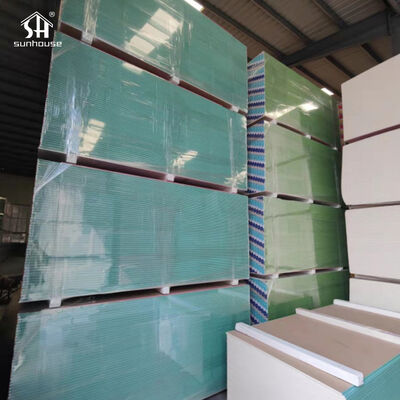
| ব্র্যান্ড নাম: | SUNHOUSE |
| মডেল নম্বর: | 1220x244m-12mm |
| MOQ: | 800 |
| পেমেন্ট শর্তাবলী: | এল/সি, টি/টি |
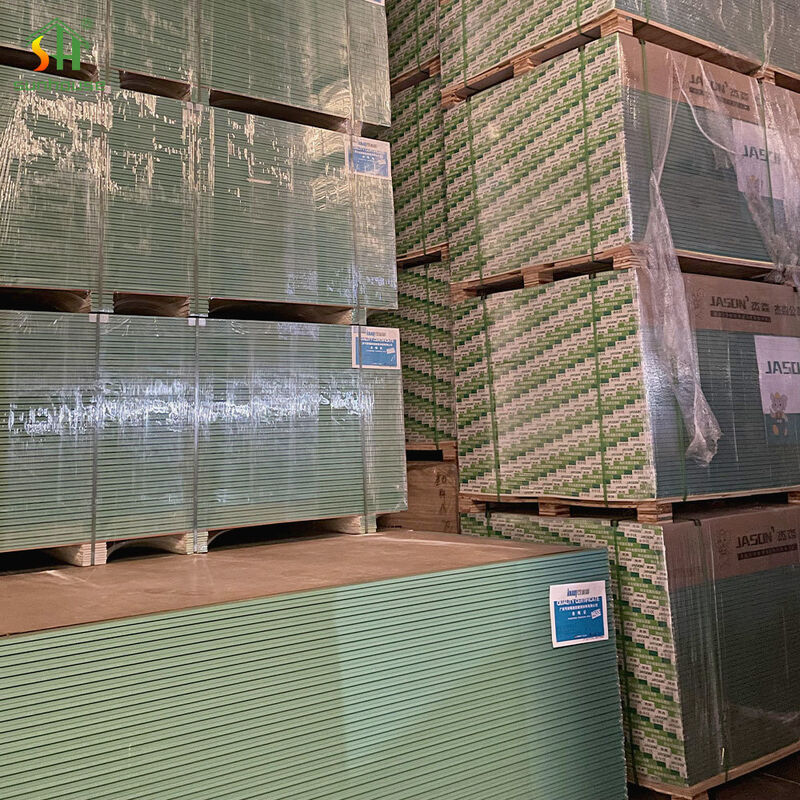
আর্দ্রতা প্রতিরোধী জিপসাম বোর্ডটি উপযুক্ত আর্দ্র অভ্যন্তরীণ অ্যাপ্লিকেশনগুলিতে স্ট্যান্ডার্ড ওয়ালবোর্ডের চেয়ে ভাল কাজ করার জন্য ডিজাইন করা হয়েছে। এটি পরিবহণ, আনলোড বা ভেজা অবস্থায় সংরক্ষণ করার জন্য ডিজাইন করা হয়নি। রপ্তানি ক্রেতাদের ফ্যাক্টরি লোডিং এলাকা থেকে চূড়ান্ত ইনস্টলেশন মেঝে পর্যন্ত প্যালেট ডিজাইন, মোড়ক, কন্টেইনার কন্ডিশন, কনডেনসেশন, কার্গো রেস্ট্রেন্ট, গুদাম স্ট্যাকিং এবং ক্ষতি পরিদর্শন নিয়ন্ত্রণ করা উচিত।
চালান বন্ধ হওয়ার আগে বোর্ড, কাঠের প্যালেট, প্রান্ত সুরক্ষা এবং মোড়ানো সামগ্রীগুলি শুকনো উচিত।
প্যানেলগুলি স্তরে সমতল স্তুপীকৃত করা উচিত, সারিবদ্ধ সমর্থন যা ঝুলে যাওয়া, প্রান্ত ক্রাশিং এবং অসম লোডিং প্রতিরোধ করে।
পাত্রের আর্দ্রতা, তাপমাত্রার পরিবর্তন এবং ভেজা ড্যানেজ দীর্ঘ দূরত্বের পরিবহনের সময় ক্ষতিকর ঘনীভবন তৈরি করতে পারে।
গ্রহণ বা ইনস্টলেশনের আগে ভিজা, দাগযুক্ত, বিকৃত বা বিচ্ছিন্ন প্যানেলগুলি বিচ্ছিন্ন এবং মূল্যায়ন করা উচিত।
আর্দ্রতা প্রতিরোধী চিকিত্সা সংজ্ঞায়িত পণ্য অবস্থার অধীনে জল শোষণ হ্রাস. প্যানেলগুলি স্যাঁতসেঁতে থাকা অবস্থায় এটি বৃষ্টির এক্সপোজার, একটি ফুটো হওয়া পাত্রে চালান, ভেজা কাঠের সাথে যোগাযোগ, সুরক্ষা বা ইনস্টলেশন ছাড়াই আউটডোর স্টোরেজ অনুমোদন করে না। অনিয়ন্ত্রিত আর্দ্রতা মুখের দিকগুলিকে ক্ষতিগ্রস্ত করতে পারে, প্রান্তগুলিকে নরম করতে পারে, বোর্ডের ওজন বাড়াতে পারে, বিকৃতি তৈরি করতে পারে এবং ছাঁচের বৃদ্ধির জন্য অনুকূল পরিস্থিতি তৈরি করতে পারে।
একটি আর্দ্রতা প্রতিরোধী বোর্ড শুষ্ক এবং অক্ষত আসা উচিত. আর্দ্রতা প্রতিরোধী, জল প্রতিরোধী বা ছাঁচ প্রতিরোধী শব্দগুলি কখনই ভেজা লোডিং, বৃষ্টির সংস্পর্শ, সরাসরি মেঝে যোগাযোগ বা পাত্রের ঘনীভবনের দ্বারা প্রভাবিত প্যানেলের গ্রহণযোগ্যতাকে সমর্থন করার জন্য ব্যবহার করা উচিত নয়।
ফর্কলিফ্ট হ্যান্ডলিং, রাস্তা চলাচল, সমুদ্র পরিবহন এবং আনলোডিংয়ের সময় প্যাকেজিংটি বোর্ডের মুখ, টেপারড প্রান্ত, প্রান্ত এবং কোণগুলিকে রক্ষা করবে। মোড়ানো ইতিমধ্যে ভিজা উপাদান গোপন না করে দরকারী আর্দ্রতা সুরক্ষা প্রদান করা উচিত।
ত্বরণ, ব্রেকিং, জাহাজ চলাচল এবং টার্মিনাল পরিচালনার সময় প্যালেটগুলি স্থিতিশীল থাকা উচিত। ব্লকিং, ব্রেসিং এবং লোড ডিস্ট্রিবিউশন কন্টেইনারের দরজা বা দেয়ালের সাথে স্লাইডিং, হেলান এবং প্রভাব প্রতিরোধ করা উচিত।
দীর্ঘ সমুদ্রযাত্রা ধারকটিকে বড় তাপমাত্রার পরিবর্তনের মুখোমুখি হতে পারে। কার্গো, কাঠের প্যালেট, বাতাস এবং প্যাকেজিং দ্বারা বাহিত আর্দ্রতা ছাদে বা দেয়ালে ঘনীভূত হতে পারে এবং বোর্ডের স্তুপে ছিটকে পড়তে পারে।
গন্তব্য গুদাম একটি শুকনো মেঝে, স্তর সমর্থন, পর্যাপ্ত করিডোর স্থান, ছাদ-ফাঁস নিয়ন্ত্রণ এবং একটি স্টোরেজ বিন্যাস প্রদান করা উচিত যা অসম স্ট্যাক বা বারবার ফর্কলিফ্ট যোগাযোগ এড়ায়।
| আর্দ্রতার উৎস | কিভাবে ক্ষতি হয় | বোর্ডের সম্ভাব্য শর্ত | প্রয়োজনীয় নিয়ন্ত্রণ |
|---|---|---|---|
| লোড করার সময় বৃষ্টি | মোড়ানো বা পাত্রের দরজা বন্ধ হওয়ার আগে উন্মুক্ত বোর্ডের প্রান্ত এবং প্যালেটের শীর্ষগুলি ভিজে যায়। | দাগ, নরম প্রান্ত, ওজন বৃদ্ধি এবং কাগজের ক্ষতি। | শুধুমাত্র একটি আচ্ছাদিত এলাকায় লোড করুন এবং কার্যকর আবহাওয়া সুরক্ষা অনুপলব্ধ হলে বৃষ্টির সময় লোড করা বন্ধ করুন। |
| ওয়েট প্যালেট বা ড্যানেজ | কাঠের সমর্থন থেকে আর্দ্রতা নীচের বোর্ডগুলিতে স্থানান্তরিত হয় বা বন্ধ পাত্রের ভিতরে আর্দ্রতা বৃদ্ধি করে। | নীচের মুখের দাগ, প্রান্ত ফুলে যাওয়া এবং স্থানীয় ছাঁচের ঝুঁকি। | শুষ্ক, উপযুক্ত প্যালেট, বহনকারী এবং ব্রেসিং উপাদান ব্যবহার করুন। |
| লিকিং কন্টেইনার | বৃষ্টি বা সমুদ্রের জল ছাদের গর্ত, ক্ষতিগ্রস্ত সিল বা ত্রুটিপূর্ণ দরজার গ্যাসকেটের মাধ্যমে প্রবেশ করে। | ঘনীভূত ভিজা অঞ্চল, ভেঙে পড়া প্যাকেজিং এবং বোর্ডের বিকৃতি। | লোড করার আগে ছাদ, সাইডওয়াল, দরজা, সিল এবং মেঝে পরিদর্শন করুন। |
| ধারক ঘনীভবন | উষ্ণ আর্দ্র বায়ু একটি ঠাণ্ডা পৃষ্ঠে পৌঁছায় এবং ছাদে, দেয়াল বা প্যাকেজিংয়ে ফোঁটা তৈরি করে। | জলের চিহ্ন, স্যাঁতসেঁতে শীর্ষ বোর্ড, ছাঁচ, আলগা লেবেল এবং দুর্বল বাইরের প্যাকেজিং। | আর্দ্রতার উত্স, লোডিং অবস্থা, ড্যানেজ এবং নির্বাচিত ঘনীভবন-ব্যবস্থাপনা পদ্ধতি নিয়ন্ত্রণ করুন। |
| ভেজা গুদামের মেঝে | প্যালেট বা বোর্ড পরিষ্কারের জল, ছাদের নিষ্কাশন বা মেঝে-স্তরের বন্যার সাথে যোগাযোগ করে। | ভেজা নীচের স্তর এবং ক্ষতিগ্রস্ত তৃণশয্যা সমর্থন করে. | একটি শুষ্ক এলাকায় স্তর সমর্থনে মেঝে বন্ধ সংরক্ষণ করুন. |
| ছাদ বা পাইপ লিক | পানি বারবার একই প্যালেট বা স্ট্যাকের উপর পড়ে। | গুরুতর স্থানীয়ভাবে ভেজানো, কাগজ বিচ্ছেদ এবং বিকৃতি। | গুদামের ছাদ এবং পরিষেবাগুলি পরিদর্শন করুন এবং প্রভাবিত স্টক আলাদা করুন। |
| আউটডোর স্টোরেজ | বৃষ্টি, বাতাস, সূর্যালোক এবং মাটির আর্দ্রতা প্যাকেজকে প্রভাবিত করে। | ছেঁড়া কভার, আটকে থাকা ঘনীভবন, স্যাগিং এবং প্রান্তের ক্ষতি। | যখনই সম্ভব ইনডোর স্টোরেজ ব্যবহার করুন; অস্থায়ী বহিরঙ্গন স্টোরেজ অনিবার্য হলে সম্পূর্ণ জরুরী আবহাওয়া সুরক্ষা প্রয়োগ করুন। |
| একটি ভেজা বিল্ডিং ইনস্টলেশন | নির্মাণ আর্দ্রতা, ভেজা কংক্রিট এবং অনুপস্থিত বায়ুচলাচল এক্সপোজ প্যানেল বিল্ডিং শুকানোর আগে। | ওয়ার্পিং, জয়েন্ট সমস্যা, ছাঁচের ঝুঁকি এবং বিলম্বিত সমাপ্তি। | ইনস্টলেশনের আগে সম্পূর্ণ ঘের এবং শুকানোর ব্যবস্থা করুন। |
প্যাকেজিং বোর্ডের মাত্রা, প্যালেট ওজন, লোডিং পদ্ধতি, পরিবহন রুট, হ্যান্ডলিং পর্যায়ের সংখ্যা এবং গন্তব্য জলবায়ুকে ঘিরে ডিজাইন করা উচিত। নিচের লেআউটটি একটি সার্বজনীন প্যালেট ডিজাইনের পরিবর্তে একটি সাধারণ সংগ্রহ কাঠামো।
সঠিক প্যালেট উপাদান, বহনকারীর সংখ্যা, চাবুকের অবস্থান, মোড়ানোর ধরন এবং ব্রেসিং পদ্ধতিটি বোর্ডের আকার, স্ট্যাকের উচ্চতা, স্থূল প্যালেট ওজন এবং হ্যান্ডলিং সরঞ্জামের জন্য ইঞ্জিনিয়ার করা উচিত।
টিম্বার প্যালেট এবং বহনকারীদের মোড়ানো স্ট্যাক বা বন্ধ পাত্রে অতিরিক্ত আর্দ্রতা প্রবেশ করানো উচিত নয়।
সমস্ত ধারকদের একটি সমতল সমতল তৈরি করা উচিত যাতে বোর্ড স্ট্যাকটি অসম সমর্থনগুলির উপর সেতু করতে বাধ্য না হয়।
যখন প্যালেটগুলি স্ট্যাক করা হয়, উল্লম্ব সমর্থন পয়েন্টগুলি নীচের স্ট্যাকগুলিকে বাঁকানোর পরিবর্তে লোড স্থানান্তরের জন্য সারিবদ্ধ হওয়া উচিত।
কাঁটাচামচ খোলার সরঞ্জামগুলির সাথে মানানসই হওয়া উচিত এবং বোর্ডের প্রান্ত বা নীচের শীটগুলির সাথে যোগাযোগ না করে সম্পূর্ণ কাঁটা ঢোকানোর অনুমতি দেওয়া উচিত।
প্যালেটগুলি উত্তোলন, স্ট্যাকিং, পরিবহন কম্পন এবং গন্তব্য পরিচালনার সময় ঘোষিত মোট ওজনকে সমর্থন করা উচিত।
প্যাকেজটি কাঁটাচামচ, স্ট্র্যাপ বা সংলগ্ন প্যালেটগুলি সরাসরি টেপারযুক্ত প্রান্ত এবং কোণগুলিকে চূর্ণ করার ঝুঁকি কমাতে হবে।
কাঠের প্যাকেজিং গন্তব্যের প্রযোজ্য ফাইটোস্যানিটারি এবং চিহ্নিতকরণের প্রয়োজনীয়তাগুলি পূরণ করতে হবে।
একটি উপযুক্ত বিচ্ছেদ স্তর প্যালেট আর্দ্রতা, ময়লা, স্প্লিন্টার এবং স্থানীয় ঘর্ষণ সঙ্গে যোগাযোগ কমাতে পারে।
অপর্যাপ্ত বা মিসলাইনড সাপোর্টের উপর রাখা ভারী বোর্ডের স্তুপ তরঙ্গ, ভাঙা প্রান্ত বা নীচে-বোর্ডের বিকৃতি ঘটাতে পারে। প্লাস্টিকের মোড়ক বাড়ানো একটি অপর্যাপ্ত প্যালেট গঠন সংশোধন করে না।
| সুরক্ষা আইটেম | প্রধান ফাংশন | ভুল অনুশীলন | ক্রেতার প্রয়োজনীয়তা |
|---|---|---|---|
| কর্নার প্রোটেক্টর | চাবুক চাপ ছড়িয়ে এবং বোর্ড কোণ রক্ষা. | স্ট্র্যাপগুলি নরম বোর্ডের প্রান্তে সরাসরি প্রয়োগ করা হয়। | পর্যাপ্ত দৈর্ঘ্য এবং কম্প্রেশন শক্তি সহ প্রটেক্টর ব্যবহার করুন। |
| দীর্ঘ-প্রান্ত সুরক্ষা | হ্যান্ডলিং করার সময় টেপারড বা বর্গাকার প্রান্তের পেষণ কমায়। | ধারক দেয়াল বা pallets বিরুদ্ধে ঘষা উন্মুক্ত প্রান্ত. | স্থিতিশীল স্ট্যাকিং সংরক্ষণ করার সময় সমালোচনামূলক প্রান্ত রক্ষা করুন। |
| শীর্ষ শীট বা ক্যাপ | উপরের বোর্ডটিকে স্ট্র্যাপ, ময়লা এবং ছোট ছোট ফোঁটা থেকে রক্ষা করে। | একটি অমসৃণ স্ট্যাকের উপর সরাসরি স্থাপন করা পাতলা আলগা প্লাস্টিক। | মোড়ানো সিস্টেমের সাথে সামঞ্জস্যপূর্ণ একটি ফ্ল্যাট টপ প্রটেক্টর ব্যবহার করুন। |
| নীচের সুরক্ষা | প্যালেট পৃষ্ঠতল এবং মেঝে দূষণ থেকে প্যানেল পৃথক করে। | নীচের বোর্ডটি স্যাঁতসেঁতে, রুক্ষ বা দাগযুক্ত কাঠের উপর বিশ্রাম। | শুকনো সমর্থন এবং একটি উপযুক্ত নীচে সুরক্ষা স্তর ব্যবহার করুন। |
| প্রতিরক্ষামূলক মোড়ানো | ধুলো, স্প্ল্যাশ এবং সীমিত আর্দ্রতা এক্সপোজার হ্রাস করে। | ভেজা বোর্ডগুলি মোড়ানো এবং ভিতরে আর্দ্রতা আটকানো। | শুধুমাত্র শুকনো উপাদান মোড়ানো এবং উপরে, পাশে এবং নীচের কভারেজ সংজ্ঞায়িত করুন। |
| স্ট্র্যাপিং | পরিচালনার সময় প্যাকেজ অখণ্ডতা বজায় রাখে। | প্রটেক্টর বা বোর্ডের মাধ্যমে অত্যধিক চাবুক টান কাটা। | স্ট্র্যাপ নম্বর, অবস্থান, টান এবং রক্ষকের ধরন সংজ্ঞায়িত করুন। |
| প্যালেট লেবেল | পণ্য সনাক্তকরণ এবং ট্রেসেবিলিটি প্রদান করে। | লেবেলগুলি ঘনীভবনের দ্বারা লুকানো, ক্ষতিগ্রস্ত বা বিচ্ছিন্ন। | অ্যাক্সেসযোগ্য, সুরক্ষিত স্থানে টেকসই লেবেল ব্যবহার করুন। |
একটি শুকনো পাত্র এখনও পরিবহনের সময় ঘনীভূত হতে পারে। তাপমাত্রার পরিবর্তন ঘেরা বাতাসে আর্দ্রতা সৃষ্টি করতে পারে, কাঠ, প্যাকেজিং বা কার্গো ঠান্ডা ইস্পাত পৃষ্ঠে ঘনীভূত হতে পারে। ফোঁটাগুলি ছাদে জমা হতে পারে এবং উপরের প্যালেট স্তরগুলিতে পড়তে পারে।
আর্দ্রতা লোডিং বাতাস, ভেজা কাঠ, স্যাঁতসেঁতে প্যাকেজিং, ভেজা কার্গো বা বৃষ্টির সময় লোডিং থেকে আসতে পারে।
দিন-রাত্রি চক্র, জলবায়ু পরিবর্তন এবং জাহাজের অবস্থান বারবার ধারকটিকে উত্তপ্ত এবং ঠান্ডা করতে পারে।
আর্দ্র বায়ু একটি ঠান্ডা পাত্রের প্রাচীর বা ছাদের সাথে যোগাযোগ করলে ঘনীভবন হিসাবে জল ছাড়তে পারে।
ঘনীভবন ছাদ, দেয়াল, প্যাকেজিং বা অন্যান্য শীতল পৃষ্ঠে সংগ্রহ করতে পারে।
ফোঁটাগুলি উপরের বোর্ডগুলিতে দাগ দিতে পারে, প্যাকেজিংকে দুর্বল করতে পারে, লেবেলগুলিকে ক্ষতিগ্রস্ত করতে পারে বা ছাঁচ-প্রবণ স্যাঁতসেঁতে এলাকা তৈরি করতে পারে।
একটি সিল করা এক্সপোর্ট প্যাকেজের ভিতরে সম্প্রতি ভেজা, দাগ বা দৃশ্যত স্যাঁতসেঁতে প্যানেল রাখবেন না।
ভেজা বা খারাপ অবস্থায় লোড করা হলে কাঠের সাপোর্টগুলি আর্দ্রতার একটি উল্লেখযোগ্য উৎস হয়ে উঠতে পারে।
লোড করার সময় প্যাকেজে প্রবেশ করা থেকে বৃষ্টি এবং উচ্চ পৃষ্ঠের আর্দ্রতা প্রতিরোধ করুন।
জিপসাম বোর্ড লোডিং শুরু হওয়ার আগে একটি সম্প্রতি ধোয়া পাত্রটি সম্পূর্ণরূপে শুকানো উচিত।
ডেসিক্যান্টের পরিমাণ এবং বসানো ট্রানজিট সময়কাল, রুট, কন্টেইনার ভলিউম এবং আর্দ্রতার ঝুঁকি প্রতিফলিত করা উচিত।
শীর্ষ কভার, লাইনার বা অন্যান্য অনুমোদিত ব্যবস্থাগুলি ফোঁটা এবং পণ্যসম্ভারের মধ্যে সরাসরি যোগাযোগ হ্রাস করতে পারে।
স্যাঁতসেঁতে কার্টন এবং কাগজের আনুষাঙ্গিক আর্দ্রতা অবদান রাখতে পারে এবং ট্রানজিটের সময় শক্তি হারাতে পারে।
ফটোগ্রাফ এবং পরিবেশগত রেকর্ডগুলি যাচাই করতে সাহায্য করে যে লোড করার সময় পণ্যসম্ভার এবং প্যাকেজিং শুকনো ছিল।
আর্দ্রতা শোষণকারী একটি সম্পূরক নিয়ন্ত্রণ। ভেজা বোর্ড, ভেজা প্যালেট বা ত্রুটিপূর্ণ সীল, ছাদের গর্ত বা স্থায়ী জল সহ একটি পাত্র লোড করার ন্যায্যতা দেওয়ার জন্য এগুলি ব্যবহার করা উচিত নয়।
| আইটেম লোড হচ্ছে | প্রধান প্রয়োজন | সম্ভাব্য ব্যর্থতা | প্রস্তাবিত নিয়ন্ত্রণ |
|---|---|---|---|
| ওজন বন্টন | কনটেইনার মেঝে জুড়ে সমানভাবে কার্গো ওজন বিতরণ. | স্থানীয় মেঝে ওভারলোড বা অস্থির প্যালেট সারি। | প্রকৃত স্থূল ওজন ব্যবহার করে একটি প্যালেট লেআউট প্রস্তুত করুন। |
| প্যালেট প্রান্তিককরণ | স্ট্যাকগুলি বর্গাকার এবং পাত্রের সমান্তরাল রাখুন। | হেলান প্যালেট এবং অসম সংযম চাপ। | প্রতিটি লোডিং পর্যায়ে পরে প্রান্তিককরণ পরীক্ষা করুন। |
| ফর্কলিফ্ট হ্যান্ডলিং | পুরোপুরি কাঁটা ঢোকান এবং সমানভাবে প্যালেট উত্তোলন করুন। | ভাঙ্গা নীচের বোর্ড, চূর্ণ প্রান্ত বা তৃণশয্যা বিভক্ত. | উপযুক্ত কাঁটা দৈর্ঘ্য এবং প্রশিক্ষিত অপারেটর ব্যবহার করুন। |
| সাইড ক্লিয়ারেন্স | অনিয়ন্ত্রিত আন্দোলন ছাড়া লোড করার জন্য পর্যাপ্ত ছাড়পত্র প্রদান করুন। | ঢেউতোলা পাত্রের দেয়ালের বিরুদ্ধে প্রান্ত ঘর্ষণ। | প্রতিরক্ষামূলক বিচ্ছেদ এবং উপযুক্ত ব্লকিং ব্যবহার করুন। |
| অনুদৈর্ঘ্য সংযম | ব্রেকিং বা জাহাজের গতির সময় প্যালেটগুলি দরজার দিকে যেতে বাধা দিন। | দরজা চাপ, প্যালেট পতন এবং অনিরাপদ আনলোড. | ইঞ্জিনিয়ারড ব্লকিং, ব্রেসিং, এয়ারব্যাগ বা অন্যান্য অনুমোদিত সংযম ব্যবহার করুন। |
| উল্লম্ব স্থায়িত্ব | স্ট্যাকগুলি সমতল রাখুন এবং ঝুঁকে পড়া প্রতিরোধ করুন। | প্যালেট টিপিং বা বোর্ড প্রান্ত ক্ষতি. | অস্থির উচ্চ স্ট্যাক এড়িয়ে চলুন এবং উল্লম্ব সমর্থন পয়েন্ট সারিবদ্ধ করুন। |
| দরজা-শেষ সুরক্ষা | কন্টেইনার দরজায় নিরাপদ ক্লিয়ারেন্স এবং সংযম বজায় রাখুন। | দরজা খোলার সময় কার্গো পড়ে যাওয়া বা বাইরের দিকে ঠেলে দেওয়া। | একটি উপযুক্ত চূড়ান্ত বাধা ইনস্টল করুন এবং গন্তব্যে সাবধানে দরজা খুলুন। |
| মিশ্র পণ্যসম্ভার | জিপসাম প্যানেলগুলি ভেজা, ফুটো, ধারালো বা দূষিত পণ্য থেকে আলাদা করুন। | দাগ, খোঁচা, গন্ধ দূষণ এবং অসম লোডিং। | চালানের আগে সম্পূর্ণ মিশ্র-লোডিং পরিকল্পনা অনুমোদন করুন। |
প্যালেট মোড়ানো প্যাকেজের অখণ্ডতা বজায় রাখতে সাহায্য করে, তবে ভারী বোর্ডের স্তুপগুলিকে পাত্রের ভিতরে সরানো বন্ধ করার আশা করা উচিত নয়। ব্লকিং এবং ব্রেসিং অবশ্যই প্রকৃত কার্গো ভর এবং পরিবহন বাহিনীকে মোকাবেলা করতে হবে।
| পরিবহন অবস্থা | প্রধান ঝুঁকি | সুরক্ষা অগ্রাধিকার |
|---|---|---|
| আচ্ছাদিত স্থানীয় ট্রাক | ব্রেকিং, কম্পন, ফর্কলিফ্ট ক্ষতি এবং স্বল্পমেয়াদী বৃষ্টির এক্সপোজার। | প্যালেটগুলি সুরক্ষিত করুন, লোডটি ঢেকে রাখুন এবং ক্ষতিগ্রস্ত প্যাকেজগুলি লোড করা এড়ান। |
| কার্টেন-সাইড ট্রাক | পাশের পর্দা এবং অপর্যাপ্ত লোড সংযম মাধ্যমে জল প্রবেশ. | পর্দার অবস্থা, মেঝে শুষ্কতা এবং স্বাধীন সংযম নিশ্চিত করুন। |
| খোলা ট্রাক | সরাসরি বৃষ্টি, সূর্যালোক, ধুলো এবং বাতাসের ক্ষতি। | অরক্ষিত জিপসাম প্যানেলের জন্য এড়িয়ে চলুন; সম্পূর্ণ আবহাওয়া সুরক্ষা ব্যবহার করুন। |
| শুকনো শিপিং কন্টেইনার | ঘনীভবন, দীর্ঘ ট্রানজিট, টার্মিনাল হ্যান্ডলিং এবং কার্গো চলাচল। | শুষ্ক প্যাকেজিং, ধারক পরিদর্শন, ঘনীভবন নিয়ন্ত্রণ এবং ইঞ্জিনিয়ারড ব্রেসিং ব্যবহার করুন। |
| রেল পরিবহন | বারবার প্রভাব, কম্পন এবং দীর্ঘ অন্তর্দেশীয় এক্সপোজার। | প্যালেট সংযম শক্তিশালী করুন এবং বোর্ডের প্রান্ত এবং কোণগুলি রক্ষা করুন। |
| বারবার ট্রান্সলোডিং | একাধিক ফর্কলিফ্ট পরিচিতি এবং প্যাকেজ খোলা। | টেকসই প্যালেট, পরিষ্কার লেবেল এবং সংজ্ঞায়িত হ্যান্ডলিং পদ্ধতি ব্যবহার করুন। |
খোলার আগে গর্ত, গর্ত, সীলমোহরের অবস্থা, ধারক নম্বর এবং জল ফুটো হওয়ার যে কোনও লক্ষণ রেকর্ড করুন।
পণ্যসম্ভার দরজার দিকে সরে যেতে পারে। পরিষ্কার দাঁড়ান এবং খোলার সময় প্রথম দরজা নিয়ন্ত্রণ করুন।
ছাদ, দেয়াল, মেঝে, প্যাকেজিং এবং তৃণশয্যার শীর্ষগুলি ফোঁটা, দাগ বা ভেজা জায়গার জন্য পরীক্ষা করুন।
প্যালেটের অবস্থান, ব্রেসিং, ক্ষতিগ্রস্ত মোড়ক, ঝুঁকে থাকা স্তুপ এবং দৃশ্যমান জলের চিহ্ন রেকর্ড করুন।
বোর্ড স্ট্যাকগুলিকে হঠাৎ নড়াচড়া করার অনুমতি না দিয়ে এয়ারব্যাগ, কাঠ এবং অন্যান্য নিরোধকগুলি ছেড়ে দিন।
প্যালেট ডিজাইনের সাথে কাঁটাচামচের দৈর্ঘ্য, ক্ষমতা এবং প্রবেশের দিকটি মেলে।
কনফর্মিং স্টক স্টোরেজে নিয়ে যাওয়ার আগে ভেজা, দাগ, চূর্ণ বা বিকৃত প্যাকেজ আলাদা করুন।
রেকর্ড পরিমাণ, ব্যাচ কোড, অবস্থা, ফটোগ্রাফ, পরিদর্শন ফলাফল এবং দাবি বিজ্ঞপ্তি.
শুষ্ক মেঝে, নিয়ন্ত্রিত ছাদ নিষ্কাশন এবং নিরাপদ পরিচালনার জন্য পর্যাপ্ত করিডোর জায়গা সহ আবহাওয়া-আঁটসাঁট, বায়ুচলাচল বিল্ডিংয়ে সমতল সমর্থনের উপর প্যানেলগুলি সঞ্চয় করুন।
স্বল্পমেয়াদী হোল্ডিং গ্রহণযোগ্য হতে পারে যেখানে এলাকাটি সম্পূর্ণরূপে আচ্ছাদিত, শুষ্ক এবং বায়ুচালিত বৃষ্টি, মেঝেতে পানি এবং যানবাহনের প্রভাব থেকে সুরক্ষিত।
আউটডোর স্টোরেজ এড়ানো উচিত। যখন অনিবার্য, প্যানেলগুলির জন্য মাটির উপরে সমতল স্তরের সমর্থন এবং বিদ্যমান আর্দ্রতা আটকে না রেখে সম্পূর্ণ আবহাওয়া এবং সূর্যালোক সুরক্ষা প্রয়োজন।
| স্টোরেজ পদ্ধতি | সাধারণ অবস্থান | প্রধান ঝুঁকি | প্রস্তাবিত অনুশীলন |
|---|---|---|---|
| ফ্ল্যাট অন লেভেল সাপোর্ট | পূর্ণ আকারের জিপসাম প্যানেলের জন্য পছন্দের স্টোরেজ পদ্ধতি। | সাপোর্ট অসমান বা ভুল অবস্থানে থাকলে ঝুলে যেতে পারে। | সমর্থন স্তর, শুকনো এবং উল্লম্বভাবে সারিবদ্ধ রাখুন. |
| সরাসরি মেঝেতে ফ্ল্যাট | সুপারিশ করা হয় না. | মেঝে আর্দ্রতা, ময়লা এবং ফর্কলিফ্ট ক্ষতি। | উপযুক্ত স্তরের সমর্থনে স্ট্যাক বাড়ান। |
| বড় স্ট্যাক দেয়ালের বিরুদ্ধে হেলান | সাধারণ গুদাম সংরক্ষণের জন্য অনিরাপদ এবং অনুপযুক্ত। | টিপিং, প্রান্ত ক্ষতি এবং বোর্ড নম. | প্যানেলগুলিকে একটি স্থিতিশীল অনুভূমিক স্ট্যাকে ফিরিয়ে দিন। |
| স্বল্প-মেয়াদী স্বতন্ত্র শীট হ্যান্ডলিং | নিয়ন্ত্রিত ম্যানুয়াল আন্দোলনের সময় ঘটতে পারে। | প্রান্ত ভাঙ্গা এবং অনিরাপদ পতনশীল চাদর. | প্রশিক্ষিত কর্মীদের ব্যবহার করুন এবং উপযুক্ত সমর্থন সহ শীট সরান। |
| মিশ্র তৃণশয্যা মাপ | সতর্ক পরিকল্পনা প্রয়োজন। | পয়েন্ট লোডিং, ওভারহ্যাং এবং অস্থির স্ট্যাকিং। | অসমর্থিত বড় প্যানেলের নীচে ছোট সমর্থনগুলি রাখবেন না। |
জলের এক্সপোজার এর উত্স, সময়কাল, প্রভাবিত এলাকা এবং প্যানেলের শারীরিক অবস্থা অনুযায়ী মূল্যায়ন করা উচিত। একটি বোর্ড শুকানো স্বয়ংক্রিয়ভাবে মূল শক্তি, মাত্রা, কাগজ বন্ধন বা অনুমোদিত পণ্যের অবস্থা পুনরুদ্ধার করে না।
| পর্যবেক্ষণ করা অবস্থা | সম্ভাব্য কারণ | প্রস্তাবিত কর্ম |
|---|---|---|
| অক্ষত মোড়ানো ছোট ধুলো | সাধারণ গুদাম বা পরিবহন এক্সপোজার। | খোলার আগে প্যাকেজটি পরিষ্কার এবং পরিদর্শন করুন। |
| শুকনো বোর্ড দিয়ে ছেঁড়া মোড়ানো | ফর্কলিফ্ট যোগাযোগ বা ঘর্ষণ. | মুখ, প্রান্ত এবং কোণগুলি পরিদর্শন করুন; গ্রহণযোগ্য হলে পুনরায় প্যাকেজ। |
| স্থানীয় কোণ ক্ষতি | প্যালেট প্রভাব বা অত্যধিক চাবুক চাপ. | ক্ষতিগ্রস্ত শীট পৃথক করুন এবং ব্যবহারযোগ্য মাত্রা মূল্যায়ন করুন। |
| প্যাকেজিং উপর জল দাগ | ঘনীভবন, বৃষ্টি বা গুদাম লিক। | নিয়ন্ত্রিত অবস্থার অধীনে খুলুন এবং গ্রহণ করার আগে বোর্ডের পৃষ্ঠ এবং প্রান্তগুলি পরিদর্শন করুন। |
| স্যাঁতসেঁতে শীর্ষ বোর্ড | ধারক ছাদ ঘনীভবন বা জল প্রবেশ. | প্যালেট বিচ্ছিন্ন করুন এবং ইনস্টলেশনের আগে প্রযুক্তিগত মূল্যায়ন করুন। |
| ওয়েট বটম বোর্ড | ভেজা মেঝে, স্যাঁতসেঁতে প্যালেট বা স্থায়ী জল। | কনফর্মিং স্টক থেকে সরান এবং সম্পূর্ণ নিম্ন স্তরগুলি মূল্যায়ন করুন। |
| নরম বা ফোলা প্রান্ত | দীর্ঘায়িত আর্দ্রতা এক্সপোজার। | প্রকল্পের প্রয়োজনীয়তা অনুযায়ী প্রভাবিত বিভাগ বা বোর্ড প্রত্যাখ্যান করুন। |
| পেপার ডিলামিনেশন | জলের এক্সপোজার, দুর্বল বন্ধন বা বারবার ভেজা। | প্রভাবিত প্যানেল ইনস্টল করবেন না. |
| স্থায়ী নম বা তরঙ্গ | অসম সমর্থন, ভিজানো বা অতিরিক্ত স্ট্যাকের চাপ। | বিচ্ছিন্ন এবং মূল্যায়ন; শুকানোর স্থায়ী বিকৃতি অপসারণ নাও হতে পারে. |
| দৃশ্যমান ছাঁচ বা গন্ধ | বর্ধিত স্যাঁতসেঁতে স্টোরেজ বা দূষণ। | অবিলম্বে বিচ্ছিন্ন করুন এবং প্রকল্প, স্বাস্থ্য এবং প্রস্তুতকারকের মূল্যায়ন পদ্ধতি অনুসরণ করুন। |
| অজানা পানির উৎস | সম্ভাব্য দূষিত জল বা মিশ্র কার্গো ফুটো। | উৎস এবং পণ্যের অবস্থা নিশ্চিত না হওয়া পর্যন্ত ব্যবহার করবেন না। |
একটি ঘটনার পরে প্যানেলগুলি শুকিয়ে যেতে পারে তবে নরম প্রান্ত, বিকৃতি, কাগজ বিচ্ছিন্নতা, দাগ বা ফাস্টেনার কর্মক্ষমতা হ্রাস করে। স্টক ব্যবহারের জন্য প্রকাশ করার আগে এক্সপোজারের কারণ এবং পরিমাণ পর্যালোচনা করা উচিত।
| দলিল | তথ্য অন্তর্ভুক্ত | ক্রয় উদ্দেশ্য |
|---|---|---|
| প্যাকিং তালিকা | প্যালেট নম্বর, বোর্ডের পরিমাণ, আকার, বেধ, নেট ওজন এবং মোট ওজন। | লোডিং নিয়ন্ত্রণ এবং গন্তব্য পুনর্মিলন সমর্থন করে। |
| প্যালেট স্পেসিফিকেশন | প্যালেট মাত্রা, বহনকারী বিন্যাস, উপাদান, লোড ক্ষমতা এবং প্যাকেজিং পদ্ধতি। | হ্যান্ডলিং এবং স্ট্যাকিং ডিজাইন নিশ্চিত করে। |
| পণ্য শংসাপত্র | পণ্যের মান, শ্রেণিবিন্যাস, প্রস্তুতকারক এবং চালান সনাক্তকরণ। | অনুমোদিত প্রযুক্তিগত নথির সাথে পাঠানো উপাদান সংযুক্ত করে। |
| ব্যাচ পরিদর্শন রেকর্ড | মাত্রা, শারীরিক পরীক্ষা, আর্দ্রতা অবস্থা এবং প্যাকেজিং পরিদর্শন। | প্রি-শিপমেন্ট সামঞ্জস্য প্রদর্শন করে। |
| কন্টেইনার পরিদর্শন রেকর্ড | কন্টেইনার নম্বর, অবস্থা, পরিচ্ছন্নতা, শুষ্কতা এবং ফটোগ্রাফ। | কার্গো লোড করার আগে শর্ত রেকর্ড করে। |
| ফটোগ্রাফ লোড হচ্ছে | তৃণশয্যা অবস্থান, সংযম, desiccants, চূড়ান্ত দরজা এলাকা এবং সীল. | পরিবহন এবং প্রাপ্তির দাবিগুলি সমাধান করতে সহায়তা করে। |
| কাঠের প্যাকেজিং রেকর্ড | প্রযোজ্য চিকিত্সা এবং চিহ্নিতকরণ তথ্য। | গন্তব্য আমদানি এবং কোয়ারেন্টাইন প্রয়োজনীয়তা সমর্থন করে। |
| হ্যান্ডলিং নির্দেশাবলী | ফ্ল্যাট স্টোরেজ, ফর্কলিফ্ট পদ্ধতি, আবহাওয়া সুরক্ষা এবং ভেজা-বোর্ড বিচ্ছিন্নতা। | গন্তব্য পরিচালনার সময় ক্ষতি হ্রাস করে। |
পণ্য কর্মক্ষমতা ভুলভাবে ভেজা লোডিং ন্যায্যতা ব্যবহার করা হয়.
সিল করা প্যাকেজের ভিতরে আর্দ্রতা আটকে যায়।
প্যালেট আর্দ্রতা যোগ করে এবং নীচের বোর্ডের স্তরগুলিতে দাগ দেয়।
বিদ্যমান গর্ত বা পূর্ববর্তী ফুটো অনাবিষ্কৃত থাকে।
অবশিষ্ট মেঝে এবং দেয়ালের আর্দ্রতা সিল করা চালানে প্রবেশ করে।
ভেজা কার্গো এবং ত্রুটিপূর্ণ পাত্রে অপরিশোধিত থেকে যায়.
অতিরিক্ত উত্তেজনা কোণ এবং টেপারড প্রান্তগুলিকে ক্ষতিগ্রস্ত করে।
ভারী স্তুপ তরঙ্গ এবং নীচে-বোর্ড বিকৃতি বিকাশ.
ভারী প্যালেটগুলি পাত্রের দরজার দিকে যেতে পারে।
দরজা বন্ধ হওয়ার আগে উন্মুক্ত প্রান্তগুলি ভিজে যায়।
পণ্যের মধ্যে আর্দ্রতা, ফুটো বা দূষণ স্থানান্তর।
স্থানান্তরিত প্যালেটগুলি অনিরাপদ আনলোডিং পরিস্থিতি তৈরি করে।
মাটির আর্দ্রতা এবং বৃষ্টি নিম্ন বোর্ডগুলিকে প্রভাবিত করে।
বোর্ডগুলি নত হতে পারে, পড়ে যেতে পারে বা প্রান্তের ক্ষতির শিকার হতে পারে।
ক্ষতির পরিমাণ এবং দাবির পরিমাণ যাচাই করা কঠিন হয়ে পড়ে।
লুকানো কোমলতা, বিকৃতি বা ডিলামিনেশন প্রকল্পে প্রবেশ করে।
আর্দ্রতা প্রতিরোধী জিপসাম বোর্ডগুলি শুকনো এবং অক্ষয়বিহীন, শুষ্ক স্তরের রপ্তানি প্যালেটের উপর স্তুপীকৃত ফ্ল্যাট সরবরাহ করা হবে পর্যাপ্ত নীচের সমর্থন, কোণ এবং প্রান্ত সুরক্ষা, উপরে এবং পাশের আর্দ্রতা-প্রতিরোধী আবরণ, নিয়ন্ত্রিত স্ট্র্যাপিং, টেকসই পণ্য এবং ব্যাচের লেবেল এবং একটি ব্র্যাক সাইডে জলের ব্লাকিং। শিপিং কন্টেইনার। ভেজা বোর্ড, ভেজা কাঠের সাপোর্ট এবং বৃষ্টি-উন্মুক্ত প্যাকেজ লোড করা যাবে না।
জিপসাম বোর্ডগুলি উপযুক্ত ফর্কলিফ্ট সরঞ্জাম ব্যবহার করে আনলোড করা হবে, গ্রহণের আগে পরিদর্শন করা হবে এবং শুষ্ক আবহাওয়া-আঁটসাঁট বিল্ডিংয়ের ভিতরে স্তরের সমর্থনে ফ্ল্যাট সংরক্ষণ করা হবে। প্যানেলগুলি বৃষ্টি, স্থায়ী জল, সরাসরি সূর্যালোক, ছাদের ফুটো, মেঝে আর্দ্রতা, প্রভাব, অসম স্ট্যাকিং এবং অসমর্থিত ওভারহেড লোড থেকে সুরক্ষিত থাকবে।
না. আর্দ্রতা প্রতিরোধের ভিজা চালান অনুমতি দেয় না. লোড করার আগে বোর্ড, প্যালেট, ড্যানেজ এবং পাত্র শুকনো উচিত।
না। মোড়ানো হল শুধুমাত্র একটি সুরক্ষা স্তর। প্যালেট সমর্থন, ধারক অবস্থা, ঘনীভবন নিয়ন্ত্রণ এবং পণ্যসম্ভার সংযম প্রয়োজন।
তাপমাত্রার পরিবর্তনের সময় পাত্রের ভিতরের আর্দ্রতা ঘনীভূত হতে পারে এবং ছাদ বা দেয়াল থেকে প্যাকেজের উপর পড়তে পারে।
না। সঠিকভাবে নির্বাচন করা হলে তারা ঝুঁকি কমাতে পারে, কিন্তু তারা ভেজা কার্গো, ভেজা প্যালেট, তীব্র আর্দ্রতার উৎস বা ফুটো হওয়া পাত্রকে সংশোধন করতে পারে না।
পূর্ণ-আকারের বোর্ড স্ট্যাকগুলি সাধারণত স্তর সমর্থনে সমতলভাবে সংরক্ষণ করার উদ্দেশ্যে করা হয়। হেলানো স্ট্যাকগুলি নম, পড়ে এবং প্রান্তগুলিকে ক্ষতিগ্রস্ত করতে পারে।
ইনডোর স্টোরেজ পছন্দ করা হয়। অস্থায়ী বহিরঙ্গন স্টোরেজের জন্য ফ্ল্যাট অফ-গ্রাউন্ড সমর্থন এবং আবহাওয়া এবং সরাসরি সূর্যালোক থেকে সম্পূর্ণ সুরক্ষা প্রয়োজন।
স্বয়ংক্রিয়ভাবে নয়। কোমলতা, ফোলাভাব, বিকৃতি, কাগজ বিচ্ছেদ, ছাঁচ এবং পণ্যের অখণ্ডতার ক্ষতির জন্য পরিদর্শন করুন। প্রস্তুতকারকের এবং প্রকল্পের প্রয়োজনীয়তা অনুসরণ করুন।
না। ভেজা কাঠ নীচের বোর্ডগুলিতে আর্দ্রতা স্থানান্তর করতে পারে এবং বন্ধ পাত্রের ভিতরে আর্দ্রতা বাড়াতে পারে।
না। অত্যধিক বা খারাপ অবস্থানের স্ট্র্যাপ বোর্ডের প্রান্তগুলিকে চূর্ণ করতে পারে। স্ট্র্যাপের পরিমাণ, টান এবং সুরক্ষা প্যালেট ডিজাইনের সাথে মেলে।
স্ট্রেচ ফিল্ম প্যাকেজ অখণ্ডতা বজায় রাখতে সাহায্য করে কিন্তু ব্লকিং, ব্রেসিং বা অন্যান্য কার্গো সংযমের বিকল্প নয়।
গ্রহণের আগে কন্টেইনারের বাহ্যিক অংশ, দরজার সিল, কার্গো অবস্থান, ছাদের ঘনীভবন, প্যাকেজিং, প্যালেটের অবস্থা, জলের চিহ্ন, বোর্ডের ক্ষতি এবং ব্যাচের পরিমাণ পরীক্ষা করুন।
প্যালেট গঠন, শুকনো প্যাকেজিং, প্রান্ত সুরক্ষা, মোড়ানো, স্ট্র্যাপিং, কন্টেইনার পরিদর্শন, ঘনীভবন নিয়ন্ত্রণ, লোডিং সংযম, গন্তব্য স্টোরেজ এবং ওয়েট-বোর্ড দাবি পদ্ধতি নিশ্চিত করুন।
বোর্ডের মাত্রা, প্যালেটের পরিমাণ, মোট ওজন, লোডিং পদ্ধতি, শিপিং রুট, গন্তব্য জলবায়ু, কন্টেইনারের ধরন, গুদামের অবস্থা এবং প্রকল্পের পরিমাণ প্রদান করুন। রপ্তানি প্যাকেজিং, ঘনীভূতকরণ-নিয়ন্ত্রণ এবং লোডিং পরিকল্পনাটি চালানের আগে পর্যালোচনা করা যেতে পারে।
 english
 français
 Deutsch
 Italiano
 Русский
 Español
 português
 Nederlandse
 ελληνικά
 日本語
日本語
 한국
한국
 العربية
 हिन्दी
 Türkçe
 indonesia
 tiếng Việt
 ไทย
ไทย
 বাংলা
বাংলা
 فارسی
فارسی
 polski